
5 Years of Being the Top Dogs (and Cats) in Northern Nevada! RN&R’s Best Vet Clinic!

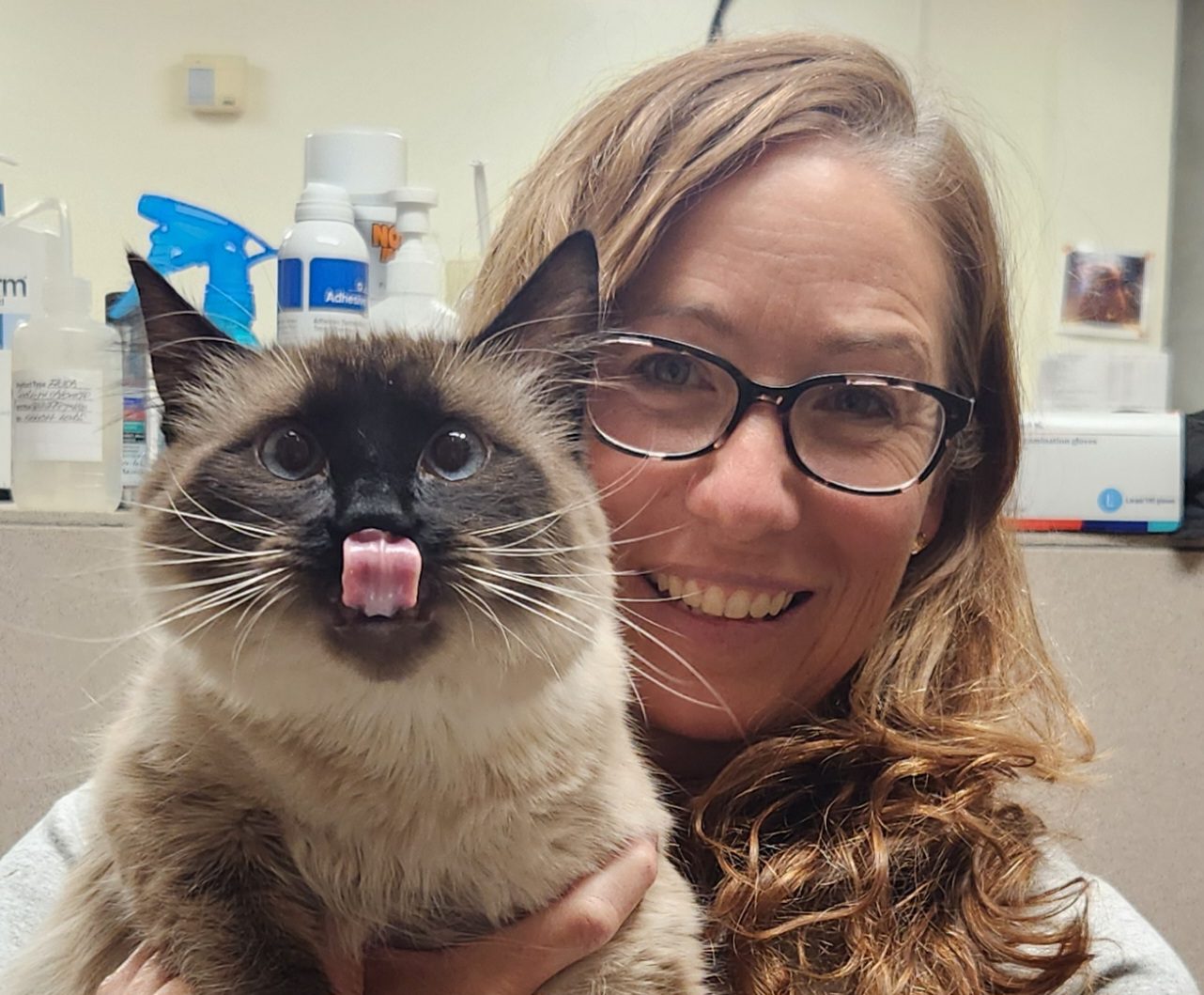
Why young wellness exams and bloodwork matter more than you think
Here’s the honest truth—young, wiggly, zoomie-filled pets look indestructible. Bright eyes, shiny coats, endless energy. It’s easy to think, They’re fine. We’ll come back when something’s wrong.
That’s the trap. And it’s a sneaky one.
Wellness exams and baseline bloodwork in young pets aren’t about finding problems—they’re about proving health, setting benchmarks, and quietly protecting the future. Think of them as a seatbelt, not an airbag.
Wellness exams: more than a quick hello
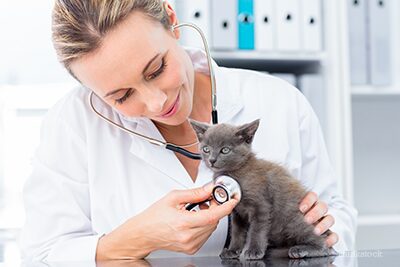
A young pet wellness visit isn’t just cuddles and a stethoscope cameo. It’s a full-body fact-check:
Young animals change fast. What’s normal at six months may be a red flag at two years. Regular exams help us catch subtle shifts before they turn into loud, expensive problems.
Bloodwork: the quiet superhero
Blood labs don’t care how cute your pet is. They tell the truth—early, calmly, and without drama.
Baseline bloodwork in young pets:
Waiting until a pet is sick to run labs is like trying to read a map after you’re already lost. Baselines give us direction.
Why early matters (spoiler: it saves money and heartache)
Catching an issue early often means:
Preventive care is always cheaper than crisis care. Always.
The long game: lifetime health
Wellness care in young pets isn’t about today—it’s about setting them up for a longer, healthier, happier life. The pets who age best are the ones whose care started early, stayed consistent, and adapted over time.
Your pet can’t tell you when something feels off. Bloodwork can. Exams can. And future-you will be very grateful you listened.
Bottom line
Young pets don’t need less veterinary care because they’re healthy—they need it because they’re healthy.
Wellness exams and blood labs are how we keep it that way.
Tiny visit. Massive payoff.
And yes—we promise the treats help. 🐾